Your Cart is Empty
Shipping is free on orders over €60!
Shipping is free on orders over €60!

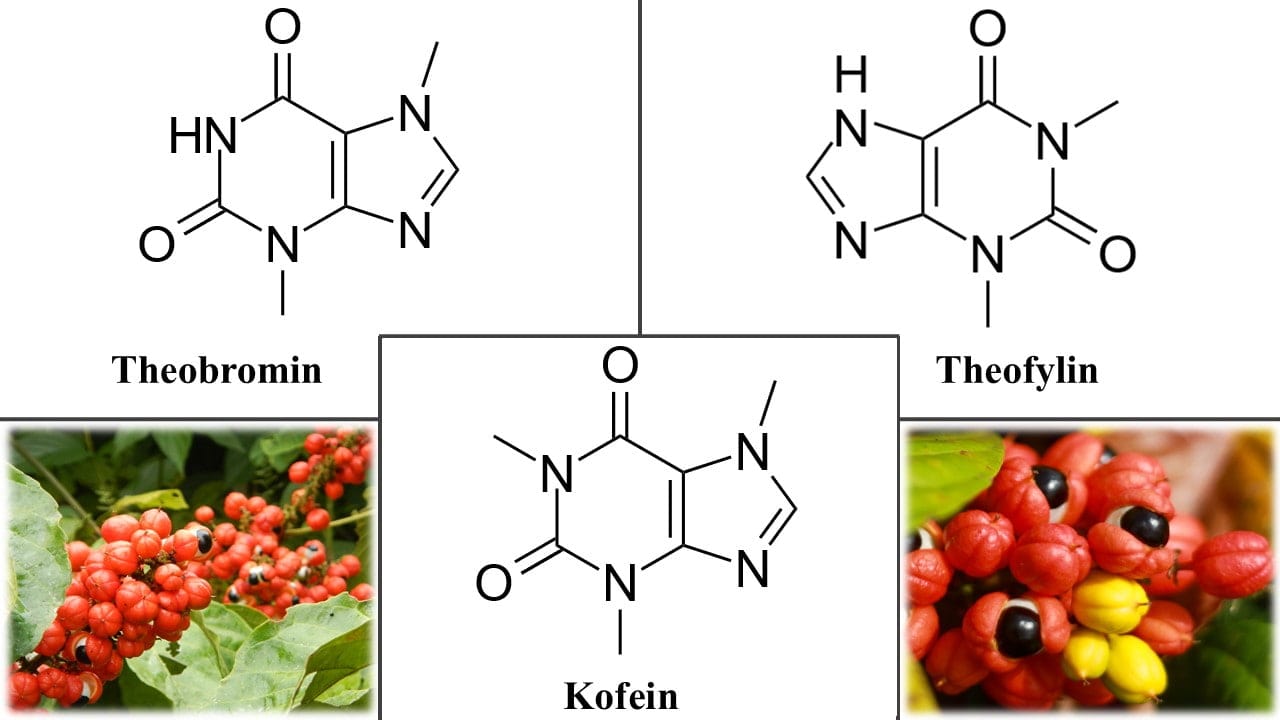
Guarana, also known as drinkable Paulinia (Paullinia cupana Kunth), is a tropical, evergreen vine from the soapberry family (Sapindaceae), originally from the Brazilian Amazon region. Indigenous tribes have cultivated it for centuries and use it as a medicinal plant. The name "Guarana" comes from the term "warana," which in the Tupi-Guarani language means "God's eyes," referring to the appearance of the fruits, which resemble human eyes (Malík and Tlustoš, 2023). The fruits are bright red capsules that split open when ripe, revealing one to three black seeds, sometimes surrounded by a white aril (Erickson et al., 1984). This distinctive appearance inspired the legend of the Maués tribe, which states that the plant grew from a murdered child, whose eyes lived on in the form of the fruit (Marques et al., 2019a).
The first written mention of guarana dates back to 1669 by the Jesuit missionary Johannes Philippus Bettendorf, who described its use against fever, cramps, and headaches. In the 18th century, guarana was also used to treat diarrhea. Traditionally, the seeds are dried, roasted, and ground into a fine powder, which is then added to beverages for a stimulating effect. Locals have long consumed it to boost energy, suppress hunger, and enhance physical endurance (Marques et al., 2019b).
Botanically, it is a climbing plant with alternate, pinnate leaves, each bearing three to five smaller leaflets. Small inflorescences of white to greenish-white flowers develop into striking, bright red fruits, from which a dark brown to black seed typically matures, roughly the size of a hazelnut (Luiz Atroch and do Nascimento Filho, 2018).
The seeds of guarana contain high amounts of purine alkaloids, particularly caffeine, theobromine, and theophylline (Fig. 1), with caffeine content ranging from 2–8 %, equivalent to about 50 mg of caffeine per gram—up to five times more than coffee beans (Baumann et al., 1995). Tannins make up about 16 % of the seed weight and delay caffeine release, prolonging its stimulating effect and reducing abrupt energy fluctuations. Condensed tannins include epicatechin, catechin, and various procyanidins, which have strong antioxidant and anti-inflammatory properties, contributing to cellular protection against oxidative damage (Malík and Tlustoš, 2023; Sangeeth Shyam Sundar et al., 2024).
Guarana also affects neurotransmitter levels, such as dopamine and norepinephrine, which can enhance concentration, memory, and reaction time (Torres et al., 2022). In addition to methylxanthines and tannins, the seeds contain polysaccharides, saponins, fatty acids, and trace elements (manganese, rubidium, nickel, strontium), which modulate lipid metabolism and detoxification processes in the body (Arantes et al., 2023; Malík and Tlustoš, 2023).
Regarding physical performance, guarana intake has been shown to increase endurance and delay the onset of fatigue. For example, animal studies demonstrated prolonged swimming time to exhaustion after guarana administration, with effects attributed not only to its stimulant properties but also to its ability to modulate metabolic processes related to energy consumption and oxidative stress (Lima et al., 2005; Torres et al., 2022).
Additionally, enhanced mobilization of fatty acids from fat stores has been observed, increasing the use of lipids as an energy source during exertion, reducing muscle glycogen consumption, and prolonging time to exhaustion (Jagim et al., 2023).
In terms of mental performance, guarana improves cognitive functions, particularly attention, information processing speed, and working memory (Gurney et al., 2023; Hack et al., 2023). Randomized controlled trials in humans have shown that low doses of guarana increase alertness and cognitive performance without causing subsequent attention loss or fatigue, as often seen with pure caffeine (Talik et al., 2024). The mechanism of action includes not only adenosine receptor inhibition but also modulation of the dopaminergic and noradrenergic systems (Gurney et al., 2023).
Interestingly, positive effects have also been observed with repeated use, including reduced anxiety and improved overall mood, suggesting guarana’s potential in stress management and mental resilience (Pferschy-Wenzig et al., 2022; Torres et al., 2022). Further studies indicate that guarana has neuroprotective effects that could be leveraged in the prevention of neurodegenerative diseases (Costa et al., 2023). In Alzheimer’s disease models, it delayed cognitive decline, reduced amyloid-β accumulation, and modulated inflammatory processes in neural tissue (Arantes et al., 2023).
Overall, guarana is considered to have significant potential to support both physical and mental performance, both for acute use and long-term supplementation (Marques et al., 2019a).
The usual recommended dose of guarana extract is approximately 75 mg per serving, equivalent to about 9 mg of caffeine (Konstantinos and Heun, 2019; Talik et al., 2024). Considering the maximum safe daily caffeine intake, typically between 400–600 mg, up to around 66 extract tablets per day would be needed to exceed the safe limit (Lin et al., 2022).
At normal use, guarana is safe, but excessive caffeine intake may cause side effects such as insomnia, nervousness, or tachycardia (Torres et al., 2022). Therefore, guarana is not recommended for individuals with cardiovascular conditions, pregnant or breastfeeding women, patients with diabetes, insomnia, or chronic headaches (Malík and Tlustoš, 2022). It can also affect drug metabolism, especially medications affecting the cardiovascular system and central nervous system, e.g., theophylline, warfarin, or certain antidepressants, requiring caution and medical consultation when taken concurrently (Hladun et al., 2021).
Guarana is often combined with other natural stimulants and nootropics, such as green tea (Camellia sinensis), true ginseng (Panax ginseng), or Brahmi (Bacopa monnieri) (Brown, 2023; Kennedy et al., 2004; Konstantinos and Heun, 2019). These plants may have different mechanisms of action—they promote alertness, improve cognitive function, act as antioxidants and neuroprotectants—and their synergistic combination can enhance both mental and physical performance (Malík and Tlustoš, 2023).
Another traditional combination is Yerba Mate (Ilex paraguariensis), which reduces caffeine’s strong side effects by slow release and provides long-lasting stimulation (Brown, 2023). Modern supplements often combine guarana with other bioactive ingredients, such as Indonesian ginseng (Panax pseudoginseng), mountain maca (Lepidium meyenii), or adaptogens like Ashwagandha (Withania somnifera). These complex formulations support energy, cognitive abilities, hormonal balance, and overall vitality (Nieman et al., 2024; Wojaczek et al., 2024).
Besides stimulants, there are also products with electrolytes or probiotics, which further support metabolism, immune function, and adaptation to stress (Holkem et al., 2023). Carefully standardized and combined plant extracts can provide comprehensive health benefits, with attention to correct dosing and quality control of individual components (Wang et al., 2023).
Guarana is a promising research area, as it has the potential to enhance cognitive function and protect neurons from damage and degeneration, particularly in relation to Alzheimer’s and Parkinson’s diseases (Arantes et al., 2023). Its bioactive components can act synergistically, influencing neuronal metabolism and improving cognitive functions, especially with long-term intake of optimal doses (Gurney et al., 2023).
Future studies should focus on extract standardization and dosage optimization, as guarana composition may vary depending on plant genotype, cultivation conditions, and processing (Durazzo et al., 2022). It is also important to evaluate the safety of long-term guarana use in combination with other stimulants or alcohol. With growing interest in natural nootropics, future research is expected to reveal new applications of guarana for supporting mental performance and preventing neurodegenerative diseases (Malík and Tlustoš, 2023).
Written for Kratom World by:
Ing. Matěj Malík, Ph.D.
Scientific Associate, Postdoctoral Researcher
Faculty of Agrobiology, Food and Natural Resources, CZU
Department of Agrochemical Chemistry and Plant Nutrition

This article is not intended as a user guide or consumption recommendation. The information provided is for educational and informational purposes only. The products mentioned are intended solely for collection and study purposes.
References